

















Salute to a Man of Quiet Strength, Discipline, and Institutional Loyalty
Salute to a Man of Quiet Strength, Discipline, and Institutional Loyalty

By Precious King
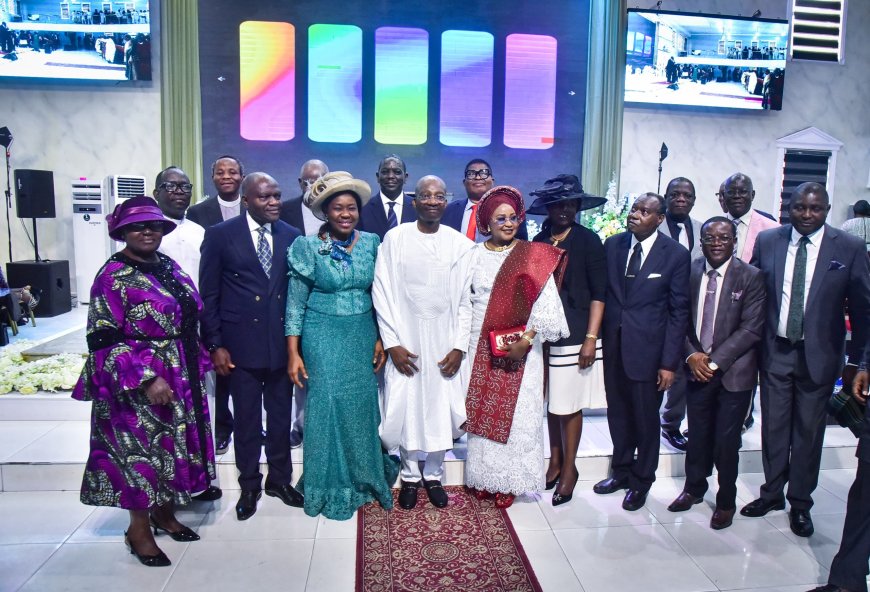
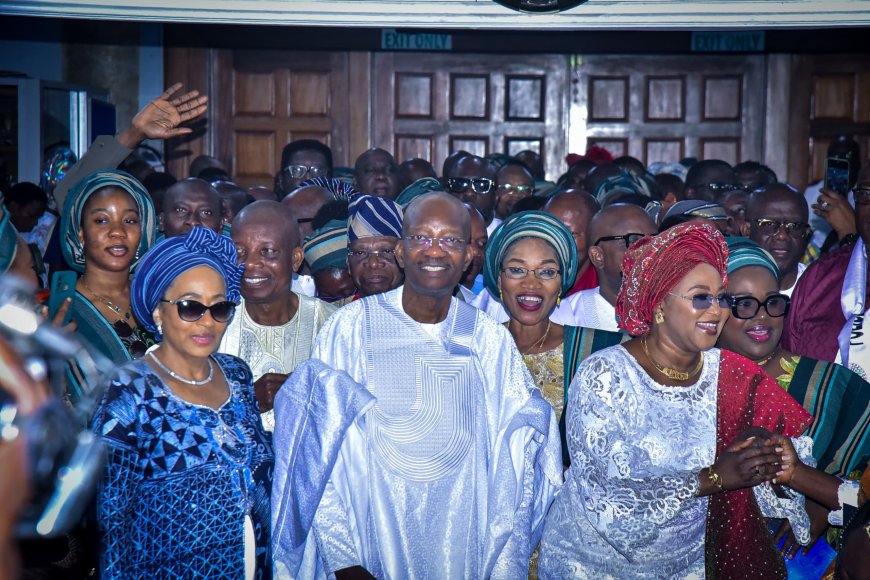
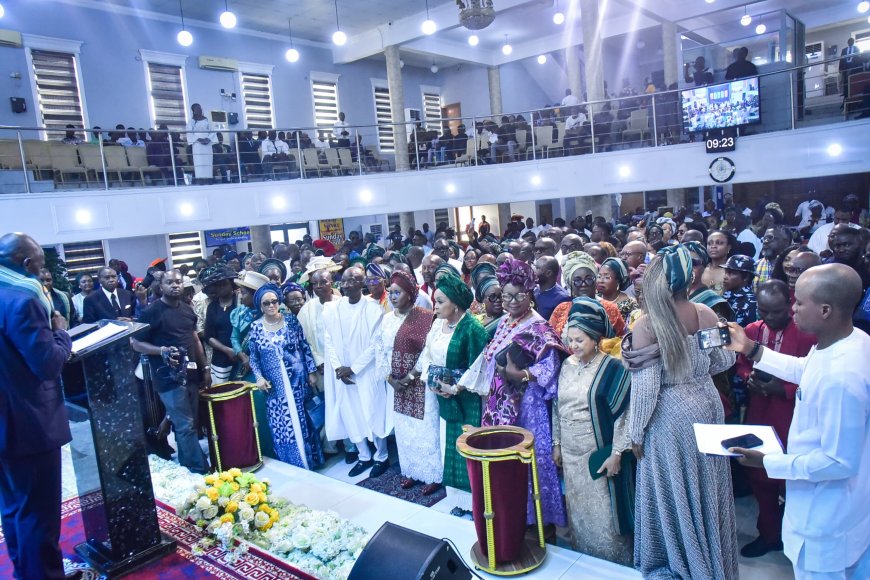
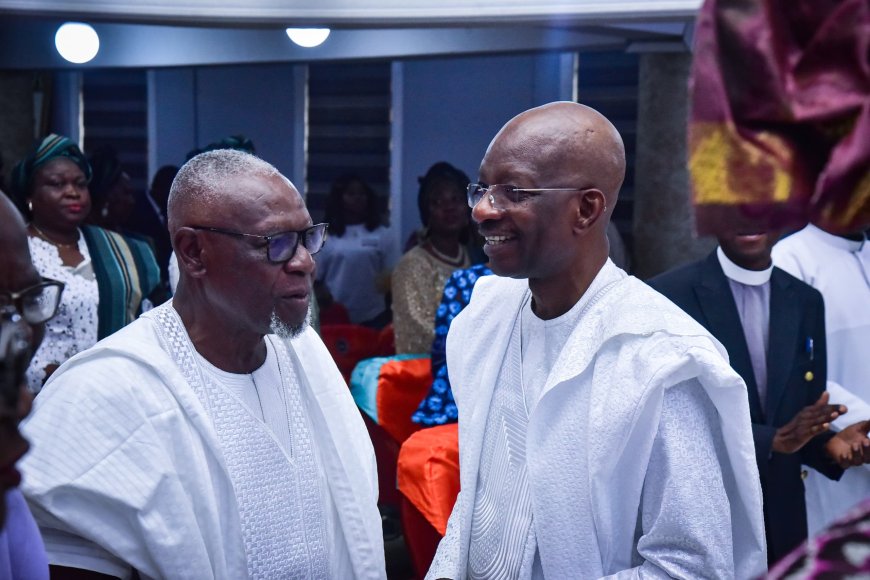
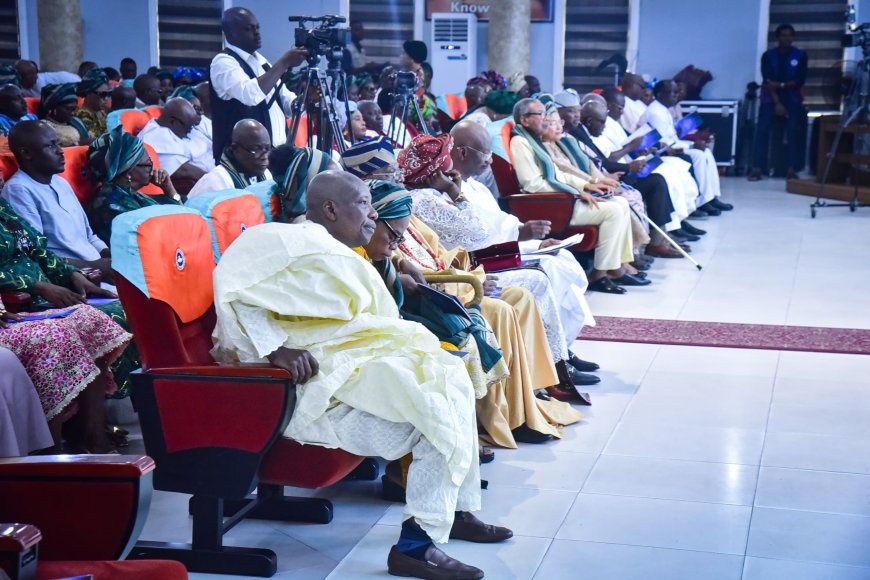
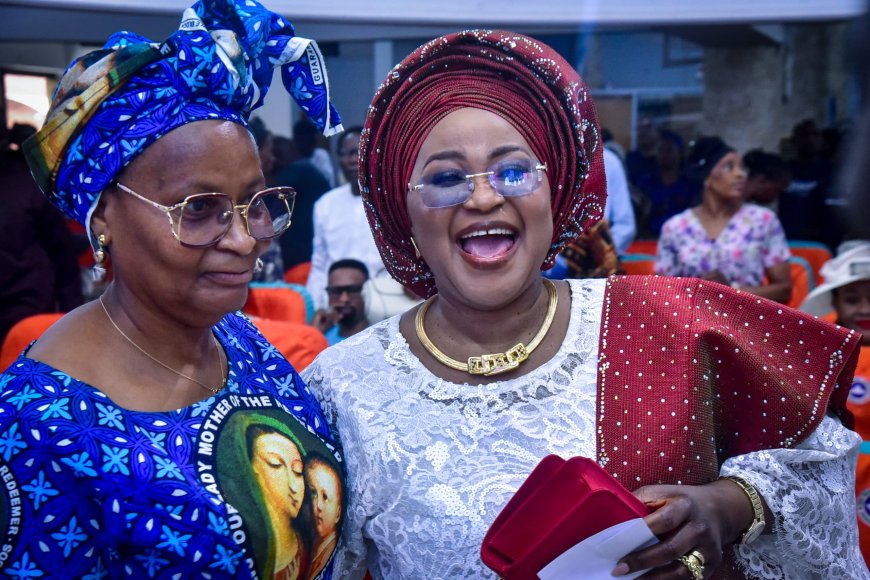
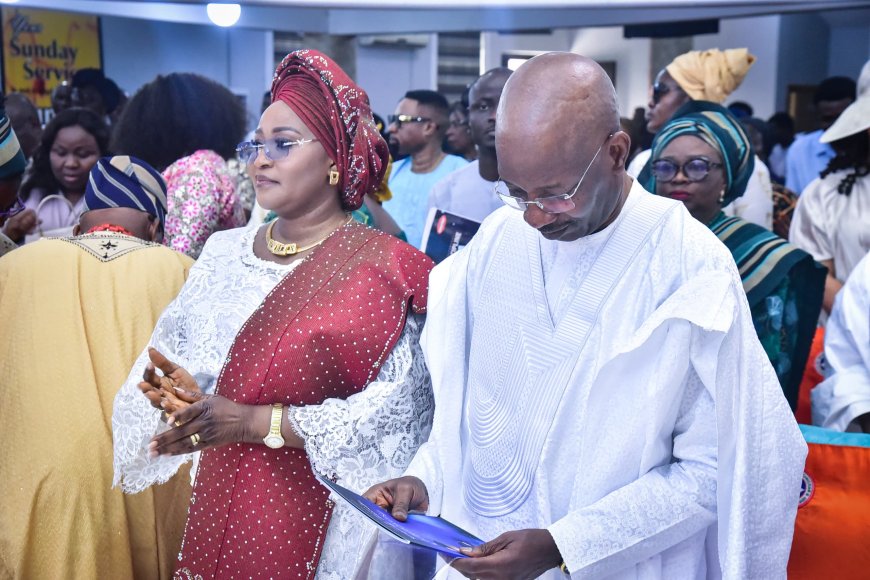
On a humid Sunday morning in Victoria Island, Lagos, the pews of the Redeemed Christian Church of God, Redemption Pavilion Parish filled steadily with purpose. Politicians sat beside serving and retired security chiefs, exchanging quiet greetings as clergy, family members, and longtime associates filed in.
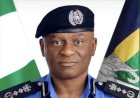
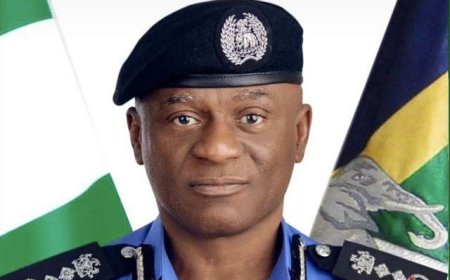
They had gathered not merely to mark the successful retirement of immediate past Inspector-General of Police, Olukayode Adeolu Egbetokun (rtd), but to bear witness to a career defined by clarity, discipline, and a deep commitment to service.
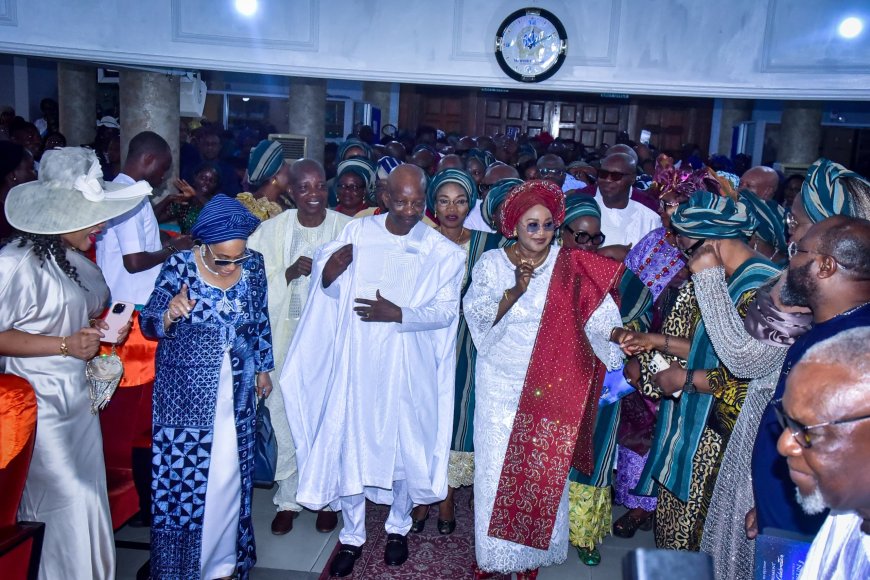 Across tributes, speeches, and personal reflections, a consistent portrait emerged: a leader shaped by discipline, guided by institutional loyalty, and sustained by faith.
The Officer Tinubu Knew Before Nigeria Did
President Bola Ahmed Tinubu’s tribute reached back nearly three decades—before national prominence, command postings, or the Inspector-General’s office.
He recalled meeting a young police officer in 1998, before becoming governor of Lagos State—disciplined, thoughtful, and quietly confident. The impression endured.
A year later, as governor, Tinubu considered appointing him as Aide-de-Camp. Egbetokun declined, insisting the role should go to a more junior officer. Instead, he accepted the position of Chief Security Officer.
For Tinubu, that moment revealed something lasting: a respect for hierarchy and institutions greater than self.
“He distinguished himself everywhere he served,” the President noted in his tribute.
Those who worked closely with him at the time, including Chief of Staff Tayo Akinmade Ayinde, saw early signs of a defining pattern—loyalty without noise, discretion without drama, and service without self-promotion.
The Long Road Through Command
Long before public recognition, Egbetokun had built a solid reputation within the Force.
From the Rapid Response Squad to the Police Mobile Force, from Explosive Ordnance Disposal operations to leadership roles in the Federal Capital Territory and Kwara State Commands, colleagues remember an officer who valued preparation over improvisation and clarity over spectacle.
 Senator Adams Oshiomhole encountered him during a politically sensitive period in Edo State, where, as Squadron Commander of Mobile Police Force (PMF) 5 in Benin City, he ensured electoral security with professionalism and neutrality.
“You demonstrated courage, discipline, humility, and integrity. You have written your name in gold in the history of our nation’s policing system,” Oshiomhole said.
Former Inspector-General Mohammed Adamu described his leadership style as calm, deliberate, and purposeful—even under pressure.
Similarly, former IGP Sunday Ehindero noted that criticisms trailing his exit were largely tied to tenure extension controversies, recalling similar experiences during his own service and urging resilience in the face of public scrutiny.
Reform Without Noise
Some careers are defined by dramatic moments; others by quiet transformation.
Governor Dapo Abiodun of Ogun State credited Egbetokun with strengthening internal security architecture through strategic reforms and capacity building, leaving what he described as “an indelible mark.”
Former Inspector-General Mohammed Abubakar highlighted his emphasis on personnel welfare and intelligence-led policing anchored in accountability.
For former Police Service Commission Chairman, IGP Mike Okiro (rtd), Egbetokun brought something increasingly rare to leadership: calm strength, intellectual depth, and a clear vision for modern policing.
His tenure, by many accounts, was defined less by headlines and more by institutional direction.
Building Bridges Across Security Institutions
Within Nigeria’s security architecture, another defining trait stood out—collaboration.
Minister of Defence, General Christopher Musa (rtd), noted improved coordination between the Armed Forces and the Police through joint planning and intelligence sharing.
Chief of Defence Staff, General Olufemi Oluyede, said the synergy strengthened national responses to evolving security threats.
Director-General of the Department of State Services, Olowatosin Ajayi, credited him with enhancing operational policing while building inter-agency trust—an often unseen but critical achievement.
In a system where agencies sometimes operate in silos, that cooperation became a key part of his legacy.
Respect From Those Who Held the Office
Among former Inspectors-General, the tributes carried particular weight.
Alhaji Aliyu Attah, who interviewed Egbetokun during his recruitment in 1989, expressed pride in witnessing his rise.
“You carried out your duties with dedication and responsibility. Your tenure made us proud,” he said.
IGP Ogbonna Onovo emphasized the enormity of leading the Nigeria Police Force, describing it as a role that demands navigating political pressures, operational constraints, and public expectations simultaneously.
“Even Hercules with his strength and King Solomon with his wisdom could not have done better,” he remarked—high praise from someone familiar with the office’s demands.
The Leader Younger Officers Watched
Within the Force, Egbetokun’s legacy is also reflected in those he mentored.
His successor, IGP Olatunji Rilwan Disu, described him as a leader whose humility, intellect, and patriotism shaped a generation of officers.
He praised Egbetokun’s courage during complex security challenges and his dedication to reforms, capacity building, and inter-agency collaboration.
“You consistently exemplified the highest ideals of policing service, sacrifice, and honour,” Disu noted, adding that his influence would resonate within the Force for years to come.
Retired DIG Adeleke Adeyinka Bode reflected on a lifelong friendship rooted in shared service, while retired DCP Sunday Felix Chukwurah recalled an officer whose intelligence and integrity were evident from his early investigative years.
To many, his rise to Inspector-General felt inevitable.
The Man Behind the Uniform
Beyond policing, the tributes turned more personal.
Hakeem Oguniran, Chairman of Lagos Building Investment Company Plc and a longtime associate, described a brilliant young mathematician whose path might have led to engineering or oil and gas—but for a deliberate choice to serve in policing.
Behind the firm public persona, he said, was “a deeply humane and genuine person.”
Dr Muiz Banire (SAN) remembered a leader who remained calm and forgiving even under criticism.
“He demonstrated that it is possible to rise to the highest levels of public service without compromising one’s values,” Banire said.
A Career Anchored in Faith
Addressing the congregation, Egbetokun framed his journey not as ambition, but as grace.
“My journey… culminating in the rare privilege of leading Africa’s largest police force for two years and eight months is not a story of human effort. It is a testimony of grace,” he said.
EFCC Chairman Ola Olukoyede described his career as one marked by divine preservation.
Pastor Bisi Oluwoyo noted that his leadership blended professionalism with spiritual grounding—an anchor through the pressures of high office.
A Date Marked by Meaning
Even the date of the thanksgiving carried significance.
March 29—shared with the President and his daughter, Abimbola—was deliberately chosen, turning it into a personal marker of gratitude and reflection.
Not an Ending, But a Transition
For Egbetokun, retirement is not withdrawal, but transition.
“I did not merely retire. I transitioned under divine direction, with peace in my heart and joy in my spirit,” he said.
For those present—and many who worked with him—the message was clear:
Some leaders are remembered for defining moments. Others are remembered for steady movement.
Olukayode Adeolu Egbetokun will likely be remembered for something quieter, yet rarer—steadiness in authority, discipline in leadership, and unwavering loyalty to institutions greater than self.
In the often turbulent theatre of public service, such a legacy endures.
What's Your Reaction?
















 The Chairman and Chief Executive Officer of Adron Homes and Properties Limited, Aare Adetola Emmanuelking, has congratulated the Government and people of Oyo State as the state marks its 50th anniversary, describing the occasion as a celebration of resilience, cultural pride, and sustained progress.