
















SPECIAL REPORT: Inside How Iraq Became the Hidden Battlefield in the US–Israel–Iran Confrontation By Forensic News Investigative Desk
SPECIAL REPORT: Inside How Iraq Became the Hidden Battlefield in the US–Israel–Iran Confrontation By Forensic News Investigative Desk

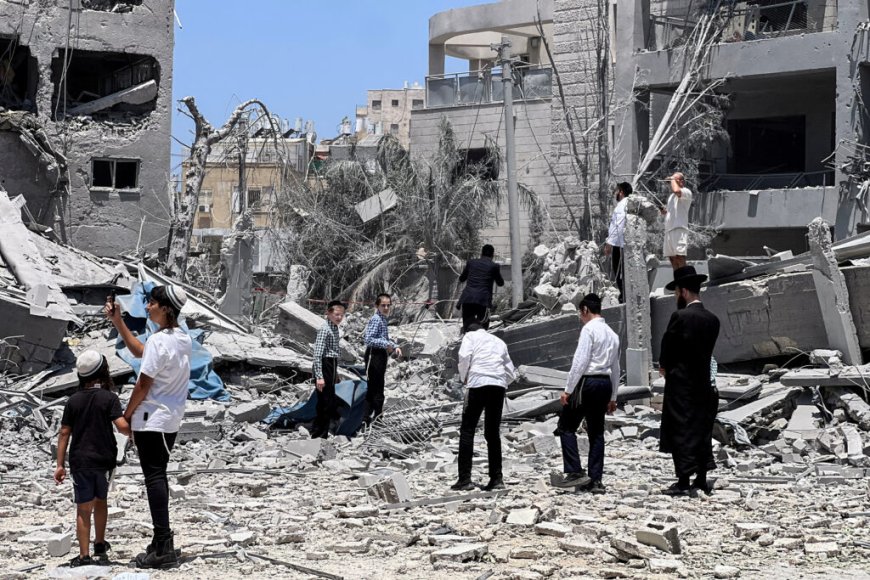
Iraq is once again at the centre of a dangerous geopolitical storm, with fresh attacks, counter-attacks and covert operations exposing how the country has quietly become one of the most vulnerable battlegrounds in the escalating confrontation involving the United States, Israel and Iran.
Findings by FORENSIC News show that the recent wave of strikes across Iraqi territory did not happen by accident, but reflects a long-standing security imbalance that allows foreign powers and allied armed groups to operate inside the country with limited resistance from the central government.
Security analysts say Iraq’s fragile political structure, combined with the presence of foreign troops and powerful militias, has created the perfect environment for proxy warfare.
Pattern of Attacks Suggests Coordinated Retaliation
Investigations into recent security incidents indicate a pattern of retaliatory strikes following military action against Iranian targets in the Middle East.
 Within hours of those strikes, explosions and attempted drone attacks were reported near locations known to host foreign military personnel, diplomatic facilities and coalition support centres in Iraq, particularly in the northern region.
Security sources confirmed that several of the targets were linked to international forces operating under security cooperation arrangements, making them likely targets for armed factions seeking revenge for attacks on Iran.
In some cases, air defences intercepted drones before impact, while in others, explosions occurred near sensitive installations, raising fears of wider escalation.
Kurdistan Region Emerging as Strategic Pressure Point
The investigation shows that Iraq’s Kurdistan region has become one of the most exposed areas in the current crisis.
The region hosts training bases, intelligence facilities and energy infrastructure used by international partners, making it strategically important but also highly vulnerable.
There have also been reports of strikes near areas where Iranian Kurdish opposition groups are believed to operate. These groups have long been opposed to Tehran, and any suspicion that they could be supported by foreign powers may trigger retaliation across the border.
 Security experts say this makes northern Iraq a natural flashpoint whenever tensions rise between Iran and the United States.
Government Warnings Reveal Limited Control
Official statements from Baghdad suggest the Iraqi government is struggling to keep the country out of the conflict.
Senior officials have warned that Iraq should not be used as a launchpad for attacks by any foreign power, but repeated incidents show the government has limited control over all armed actors operating within its territory.
Investigative findings show that multiple security structures exist inside Iraq, including:
Official military and police forces
Semi-official armed formations integrated into state security
Independent militias with foreign backing
Foreign troops stationed under security agreements
This overlapping system makes it difficult for authorities to prevent retaliatory strikes once tensions rise in the region.
Legacy of Past Wars Still Driving Today’s Crisis
Experts consulted during this investigation say the roots of the current situation go back more than two decades.
After the fall of the previous Iraqi government in 2003, new political and security arrangements allowed several armed groups to gain influence. Some of these groups later became part of the country’s official security structure, while still maintaining ties with external allies.
During the war against extremist groups between 2014 and 2017, these factions expanded their strength and gained public legitimacy, but their continued existence has also left Iraq open to outside pressure.
Today, rival international powers maintain different allies inside the country, creating a situation where Iraq can be pulled into regional conflicts even when it tries to remain neutral.
Why Iraq Remains the Most Exposed Country in the Region
Security researchers say Iraq is more vulnerable than other Middle Eastern countries because competing forces operate inside the same territory.
Foreign troops are still present for training and counter-terrorism missions, while armed groups with regional loyalties remain active. At the same time, the government must balance relations with both Washington and Tehran, limiting its ability to take strong action against either side.
 Investigators say this combination makes Iraq the easiest place for rival powers to send messages to each other without engaging in direct confrontation.
Fear of Prolonged Instability
Analysts warn that even if the wider conflict in the Middle East slows down, Iraq could continue to experience attacks because the conditions that allow proxy fighting still exist.
With strategic bases, armed factions and foreign interests all operating within its borders, the country remains at risk of being drawn into every major confrontation in the region.
For many observers, the latest incidents confirm a troubling reality — Iraq may no longer be the main target of war, but it has become the ground on which other nations choose to fight.
What's Your Reaction?










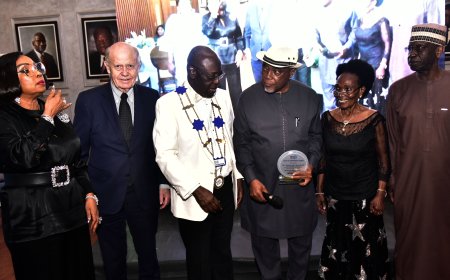





 The Chairman and Chief Executive Officer of Adron Homes and Properties Limited, Aare Adetola Emmanuelking, has congratulated the Government and people of Oyo State as the state marks its 50th anniversary, describing the occasion as a celebration of resilience, cultural pride, and sustained progress.