





























Evicted Into Uncertainty: How Forced Displacements Are Deepening Nigeria’s Urban Housing Crisis
Evicted Into Uncertainty: How Forced Displacements Are Deepening Nigeria’s Urban Housing Crisis

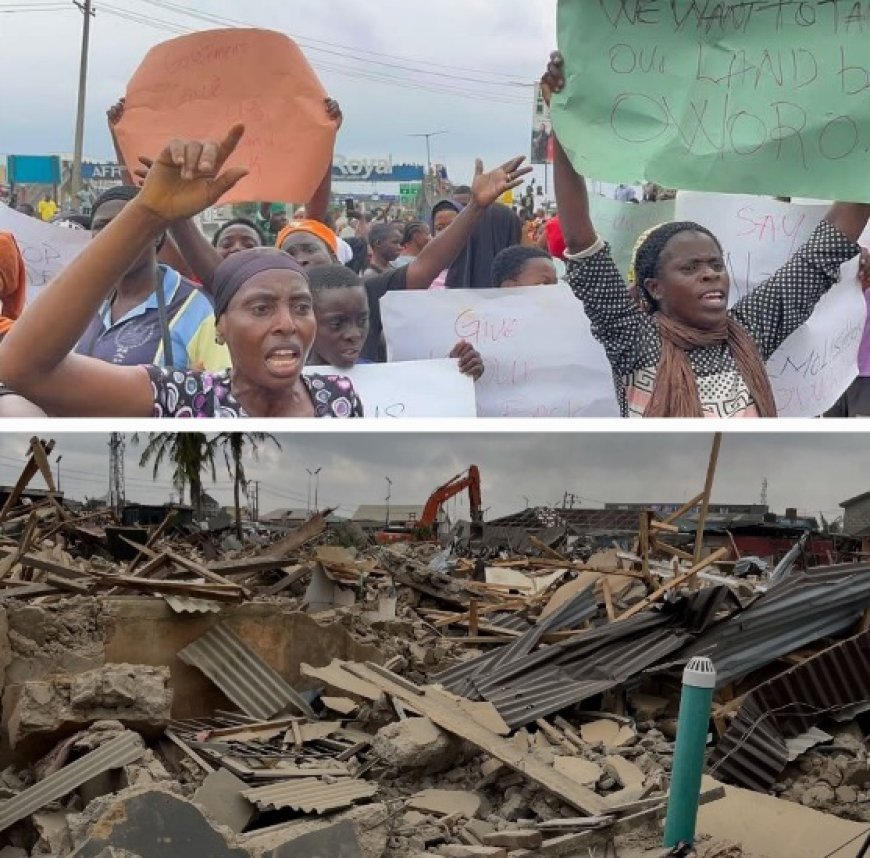
At dawn, the sound of bulldozers now carries a single meaning for residents of informal settlements across Nigeria’s major cities: your home is already gone.
In Lagos, Africa’s fastest-growing megacity, forced evictions have become a routine instrument of urban “renewal.” Under the official language of environmental protection, infrastructure development, and security, thousands of families are pushed out with little warning, no resettlement, and no clear path to recovery. Behind each demolition lies a quieter reality livelihoods erased overnight and a housing system that increasingly criminalises poverty.
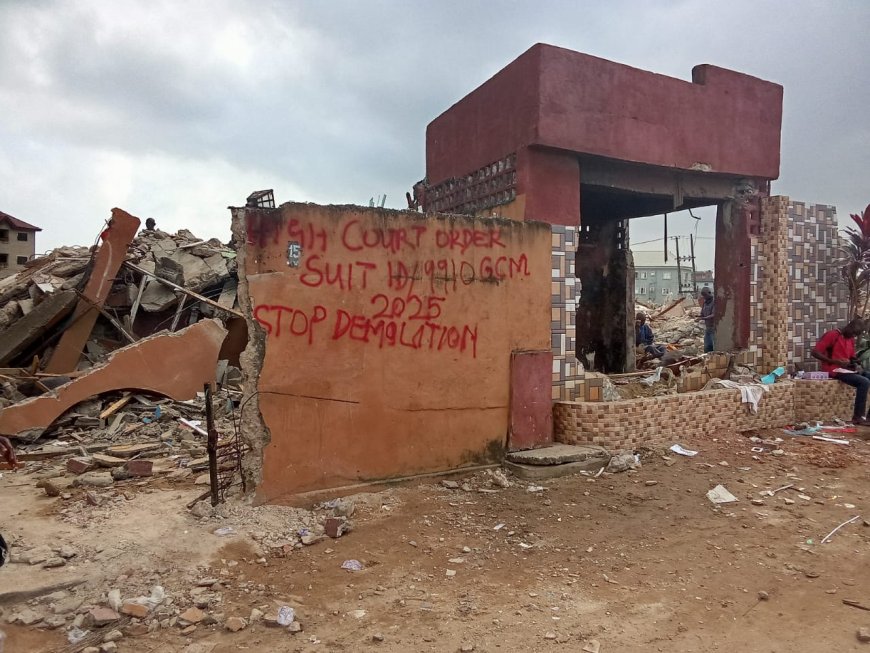 This FORENSIC News investigation examines how forced evictions, informal settlements, and housing insecurity intersect, revealing a widening gap between Nigeria’s constitutional promises and the lived reality of millions of urban residents.
The Scale of Displacement Nobody Is Counting
Nigeria faces an estimated housing deficit of 20–28 million units, according to government and industry sources. Rather than shrinking, that deficit is being accelerated by state-sanctioned evictions, particularly in informal waterfronts, rail corridors, and peri-urban communities.
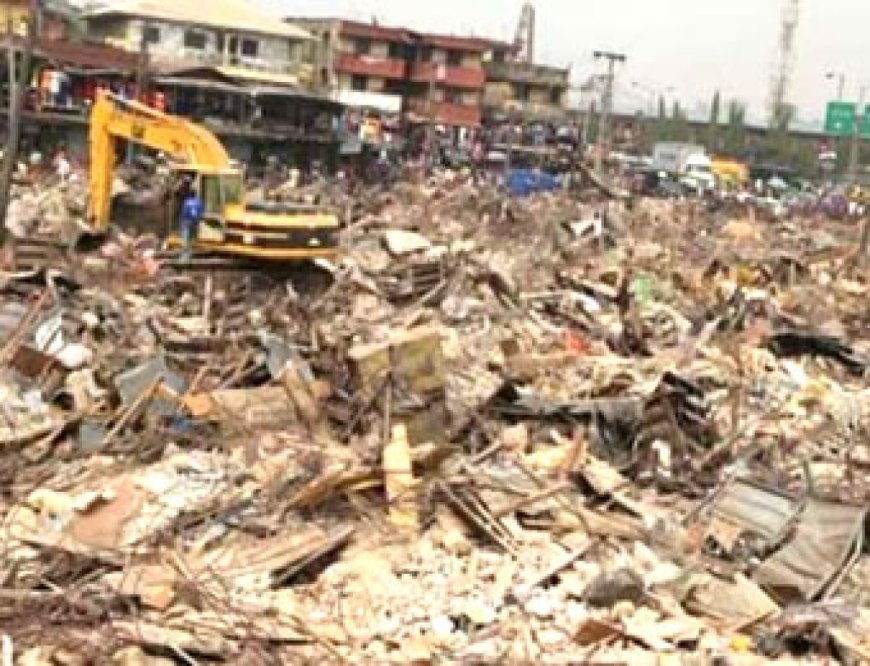 In Lagos alone, communities such as Makoko, Otodo-Gbame, Ilaje, Badia East, parts of Ijora, Ajasa Command, and the Amikanle–Kola axis of Alimosho have witnessed repeated demolitions within the past year. While official figures on displacement remain unavailable, residents describe mass homelessness unfolding largely outside public accounting.
Across these communities, testimonies reveal a recurring pattern:
Little or no written eviction notice
Court orders ignored or delayed
Heavy deployment of security agencies during demolitions
No compensation or alternative housing
The result is mass displacement was often into worse informal conditions rather than formal housing.
“They said we are illegal, but they never told us where legality begins,” said a displaced trader from Badia East, now squatting with relatives in Agege after losing both her home and business.
In the Amikanle area of Alimosho, residents say demolition notices arrived in quick succession, offering little time to respond. “Between August and October, everything was gone,” one resident said. “They said we were living under power lines and demolished over 5,000 hectares, leaving many families homeless.”
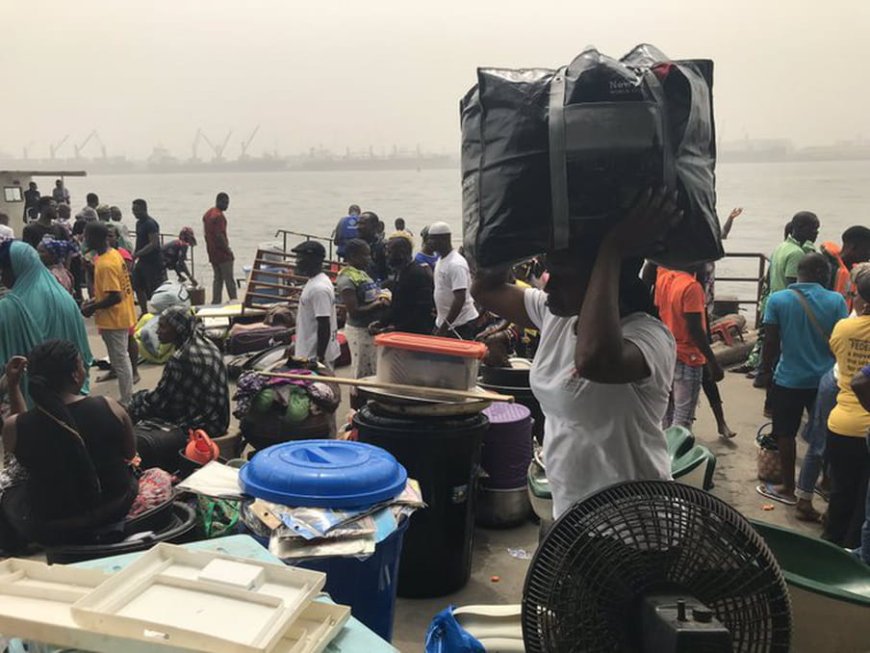
Residents allege that, following demolitions, portions of the cleared land were later resold for commercial purposes fuelling anger and mistrust. Several families remain displaced months later, while community leaders report deaths linked to shock and health complications following the evictions.
Informal Settlements Are Not Illegal—They Are Unplanned
Urban planners and housing experts argue that informal settlements exist not because residents reject legality, but because formal housing is inaccessible.
Over 60 percent of Lagos residents live in informal or semi-formal housing. Many work in the informal economy, earn below ₦100,000 monthly, cannot access mortgages, and lack land titles despite decades of continuous occupancy. Affordable rental options in “approved” estates remain beyond reach for millions.
Yet eviction policies often treat these communities as encroachments rather than citizens prioritising land clearance over inclusive planning.
“Informality is a failure of policy, not a crime,” said an urban development expert familiar with Lagos housing dynamics. “When cities demolish without alternatives, they simply relocate poverty rather than reduce it.”
Security Agencies and the Erosion of Civil Protections
One of the most troubling patterns uncovered by this investigation is the use of security agencies to enforce civil land disputes, often amid unresolved court processes.
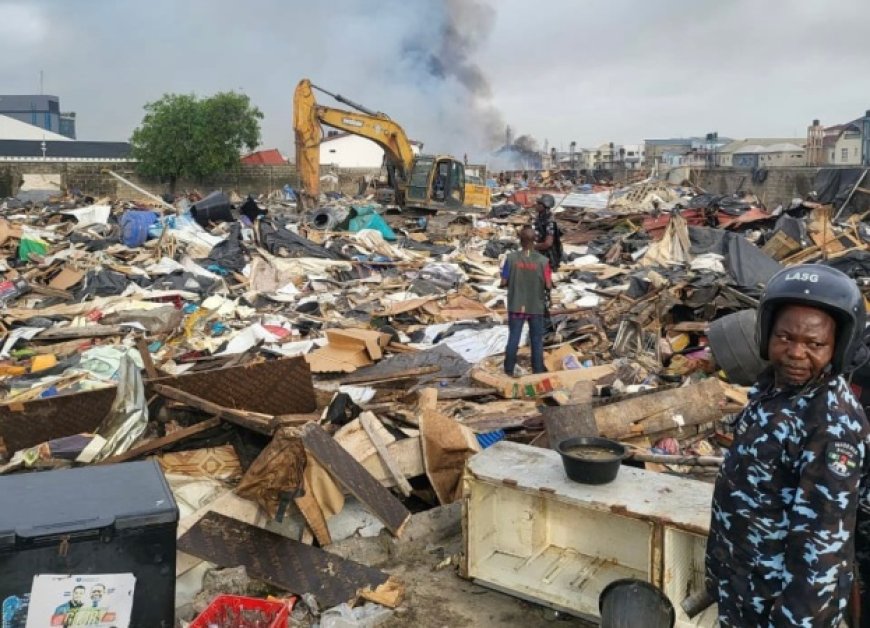
In multiple demolition cases reviewed by FORENSIC News, residents reported the presence of police or paramilitary personnel who restricted access, intimidated occupants, and prevented journalists or civil society observers from monitoring proceedings.
Legal experts warn that this blurs the line between law enforcement and property interests, effectively sidelining judicial oversight.
“When security forces are used to override court processes, eviction becomes an act of force rather than law,” said a Lagos-based human-rights lawyer. “It weakens due process and silences resistance.”
Residents say the visible presence of armed officers discourages legal challenges and public scrutiny, even when eviction notices or court documentation are disputed.
Women, Children, and the Hidden Costs of Eviction
Forced evictions disproportionately affect vulnerable groups particularly women, children, and the elderly.
Women often lose home
based businesses that provide household income. Children are forced out of school due to sudden relocations. Elderly residents struggle to rebuild or relocate, facing heightened health risks.
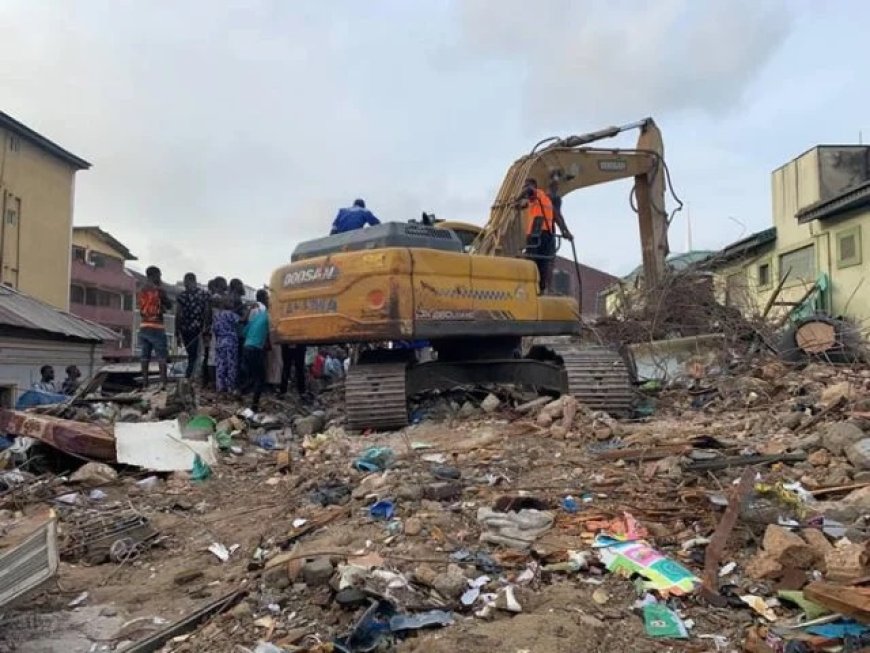
In several cases, displaced families ended up sleeping in churches, unfinished buildings, or under bridges conditions worse than the settlements they were removed from. Health risks increase, especially when relocation occurs in flood-prone or overcrowded areas.
“These demolitions don’t just destroy houses,” said a community organiser who works with displaced families. “They destroy social networks, healthcare access, and education.”
What the Law Says and What the State Does
Nigeria is a signatory to multiple international and regional human-rights frameworks, including the International Covenant on Economic, Social and Cultural Rights and the African Charter on Human and Peoples’ Rights. These instruments require adequate notice, genuine consultation, alternative housing or compensation, and protection against arbitrary displacement.
Domestically, Nigerian courts have repeatedly emphasised due process in land and housing disputes.
In practice, however, these safeguards are inconsistently applied or ignored entirely. Residents interviewed for this investigation said consultations were rare, compensation absent, and legal remedies inaccessible once demolitions began.
The gap between legal obligations and on-ground enforcement remains one of the most striking findings of this investigation.
Urban Renewal Without Urban Justice
State governments often justify evictions under environmental protection, infrastructure development, or security concerns. But housing experts argue that renewal without resettlement is displacement not development.
Cities that have reduced informal housing globally, from Brazil to South Africa, relied on in-situ upgrading, incremental tenure security, affordable rental housing, and community-led planning, rather than mass demolitions.
Nigeria has adopted housing policies that acknowledge these approaches. What remains lacking, experts say, is consistent political will to implement them at scale.
The Unanswered Question
As Nigeria’s cities expand, a central question remains unresolved: who is the city for?
Until housing policy shifts from demolition to inclusion, informal settlements will continue to re-emerge because poverty cannot be evicted.
Development that displaces without dignity leaves behind more than rubble. It leaves behind a permanent housing crisis, etched into the lives of the urban poor.
Why This Matters
Evictions are not just about land. They are about citizenship, dignity, and the right to belong.
And until those rights are respected, Nigeria’s housing gap will remain not just a planning failure but a human one.
What's Your Reaction?

















 The Chairman and Chief Executive Officer of Adron Homes and Properties Limited, Aare Adetola Emmanuelking, has congratulated the Government and people of Oyo State as the state marks its 50th anniversary, describing the occasion as a celebration of resilience, cultural pride, and sustained progress.